Crafting Perfect Bespoke Produce Boxes: A Comprehensive Walkthrough
Developing custom produce boxes requires a deliberate approach. Experts must evaluate sustainability, practicality, and aesthetics. Picking the suitable materials is essential for maintaining freshness and supporting eco-friendly methods. Moreover, size and configuration can greatly influence usability and transport effectiveness. Effective graphics enhance brand identity, while comprehensive testing ensures durability. Understanding these elements will reveal vital knowledge into producing standout container approaches that resonate to customers. What follows is essential to accomplishing those goals.
Picking the Ideal Resources for Custom Produce Boxes
When choosing materials for custom produce boxes, it is essential to assess both performance and sustainability. The choice of material greatly impacts the box's longevity, weight, and capacity to protect the contents. Common materials include corrugated cardboard, which offers strength and is reusable, making it a popular choice for eco-conscious businesses. Compostable options, such as molded pulp or plant-based plastics, also align with environmentally friendly practices while providing adequate protection for delicate produce.
Furthermore, water repellency is essential for preserving quality, prompting some manufacturers to explore processed substrates or advanced protective layers. The aesthetic appeal of the box is important to consider, as packaging design and brand identity can affect customer outlook. Ultimately, the right material should find equilibrium between safeguarding the product, appealing to customers, and meeting sustainability requirements, guaranteeing that practicality and eco-consciousness are emphasized in the development phase.
How to Decide on Size and Shape for Effectiveness?
When opting for the size and shape of custom produce boxes, thorough evaluation of produce measurements is essential for proper storage. Additionally, attention to handling and transport can affect the box structure, guaranteeing ease of movement. Optimizing shelf space usage further enhances functionality, enabling efficient display and storage.
Evaluate Produce Measurements Carefully
Selecting the appropriate dimensions for produce boxes is crucial for operational performance and effectiveness. Accurate assessment of item measurements is critical, as it ensures that items fit securely without unnecessary room that could result in damage during storage or transport. Custom boxes need to accommodate different forms, from delicate berries to bulky vegetables, while maintaining physical strength. Additionally, the dimensions of the boxes should enable stacking and organization, optimizing space in warehouse facilities. A well-designed box not only protects the produce but also improves visual appeal for consumers. Ultimately, thoughtful evaluation of dimensions helps achieve reducing waste and improving overall user experience in the supply chain.
Examine Handling and Transport Procedures
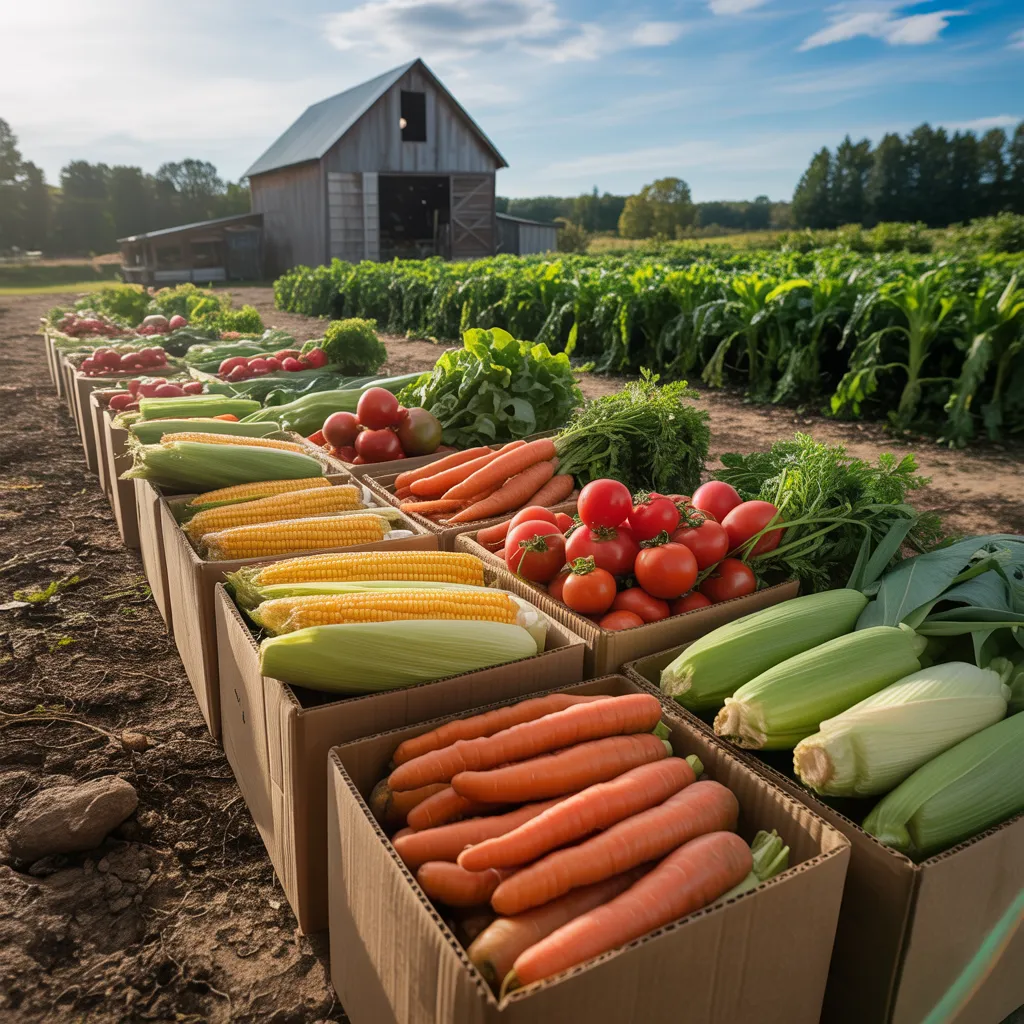
Transport and handling factors play a significant role in determining the appropriate size and shape of specialized agricultural containers. The dimensions must hold the produce without surplus space, which could result in shifting and damage throughout transit. Compact boxes assist with simpler management, while bigger containers may be necessary for larger items. Additionally, ergonomic design is vital; handles or access points should be deliberately positioned to permit pleasant lifting and transporting. The shape of the box also affects stacking and stability, ensuring that items remain secure. In the end, thorough evaluation of such factors boosts the efficiency of transport, cuts down goods waste, and supports the general integrity of the produce starting agricultural setting until consumer.
Improve Retail Space Optimization
Efficient shelving efficiency relies upon choosing the right dimensions and form of tailored fruit and vegetable containers. Designers should consider the measurements of the storage racks as well as the varieties of produce being stored. Rectangular boxes often maximize space efficiency, enabling for easier stacking and helpful tips alignment. Conversely, distinctive forms can enhance visual appeal but may lead to wasted space if not carefully planned.
It's vital to scrutinize the inventory turnover rate; products with slower velocity might take advantage of compact, readily accessible boxes. Furthermore, introducing flexible or customizable structures can accommodate varying product dimensions while refining display organization. By prioritizing visual appeal combined with practicality, retailers can develop a practical and aesthetically pleasing presentation that boosts both product accessibility and visibility.
How to Craft Graphics That Hold Attention?
Impactful graphics can convert a simple custom produce box into a remarkable display that attracts attention. To accomplish this, creative professionals should begin by selecting a color mix that reflects the vitality and vibrancy of the produce. Bright, eye-catching colors can evoke emotions of freshness and health, driving consumers to take a closer look.
Bold typography remains equally important; readable typefaces can successfully convey essential information while boosting visual appeal. In addition, employing superior photographs of the goods can create an immediate connection, highlighting the product's quality and enticing potential buyers.
In addition, incorporating distinctive visuals and patterns can assist in distinguishing the brand in a crowded market. Uniformity in design elements, such as logos and taglines, supports brand identity. Ultimately, a mixture of creativity and clarity in graphic design can substantially improve the impact of custom produce boxes, making them stand out on shelves.
Sustainable Practices for Custom Produce Box Protective Covering
A growing number of businesses are adopting green techniques for custom produce box packaging, understanding its importance in today's environmentally conscious market. These initiatives often feature the use of organic materials, such as recycled paper and plant-based plastics, which decrease environmental impact. Companies are also focusing on ethical sourcing, ensuring that materials are obtained from responsibly managed forests or suppliers who prioritize environmental stewardship.
Furthermore, numerous brands are going with understated styles that minimize waste while still efficiently promoting their products. This method not only appeals to eco-aware consumers but also assists in lowering production costs. Moreover, businesses are increasingly applying effective manufacturing processes that limit energy consumption and waste generation. By incorporating these sustainable practices, companies not only enhance their brand image but also contribute positively to the planet, aligning their operations with a sustainable future.
Validate Your Custom Produce Box Design
Evaluating the design of tailored packaging containers is a key component in making sure they fulfill both visual and useful requirements. This approach typically involves examining aspects including durability, measurements, and usability. First, trial models should be made to test the box's mechanical strength, verifying it is able to resist movement and storage without compromising the contents.
Next, usability tests can be conducted to assess how easily the boxes can be opened, closed, and stacked. Feedback from potential users can be invaluable in this phase, offering insights into the box's practicality.
In addition, the design's visual appeal should be validated through survey groups or focus panel discussions, gauging audience responses to branding features, colors, and overall presentation.
In the end, comprehensive evaluation permits designers to enhance the box, ensuring it not only attracts customers but also adequately protects and showcases the produce within, striking the right equilibrium between form and function.
Effectively Marketing Your Personalized Produce Boxes
Impactful promotion of personalized vegetable containers demands a strategic approach that emphasizes their distinctive advantages and value. Companies must concentrate on pinpointing their target audience, such as local farms, grocery stores, or individual consumers. Capitalizing on social networking sites can amplify brand awareness, presenting the boxes' design and practicality through compelling visuals and storytelling.
Moreover, collaborating with community figures and agricultural experts can enhance credibility and broaden audience. Offering special deals or reduced prices during peak seasons can draw initial buyers and encourage repeat business.
Furthermore, promoting environmental sustainability and green values in marketing materials can appeal to sustainability-focused buyers. Communicating detailed information about material sources and the advantages of bespoke packaging designs can better establish the product in a saturated marketplace.
In the end, a extensive promotional approach that blends internet-based and grassroots efforts will effectively market custom produce boxes, appealing to a wide-ranging clientele and increasing sales.
Regularly Asked Inquiries
What Fees Accompany Custom Produce Box Design?
Expenses part of custom produce box design include materials, printing, labor requirements, and delivery costs. In addition, design services and batch minimums can determine total expenses, causing fluctuating prices based on specific needs and production scale.
What Time frame Is Needed to Produce Custom Boxes?
The production of custom boxes generally takes anywhere from two to six weeks. Elements affecting this schedule consist of intricacy of design, materials availability, and production capacity, all of which may impact shipping timelines and lead times.
May I Acquire a Small Shipment of Made-to-Order Produce Boxes?
Yes, modest amounts of custom produce boxes can generally be purchased. Many vendors offer base order requirements, enabling businesses or individuals to obtain customized packaging options without having to pledge to large amounts initially.
Which Common Errors Need Avoiding in Tailored Box Design?
Common mistakes in custom box design consist of overlooking functionality, disregarding brand consistency, underestimating material quality, failing to take into account target audience preferences, and disregarding environmental impact. Each aspect is crucial for effective packaging and customer satisfaction.
What Steps Should I Take to Confirm My Boxes Are Food-Safe?
To guarantee boxes are safe for food, one must select materials certified for food contact, avoid harmful inks and adhesives, keep cleanliness during production, and regularly test for compliance with health regulations and safety standards.